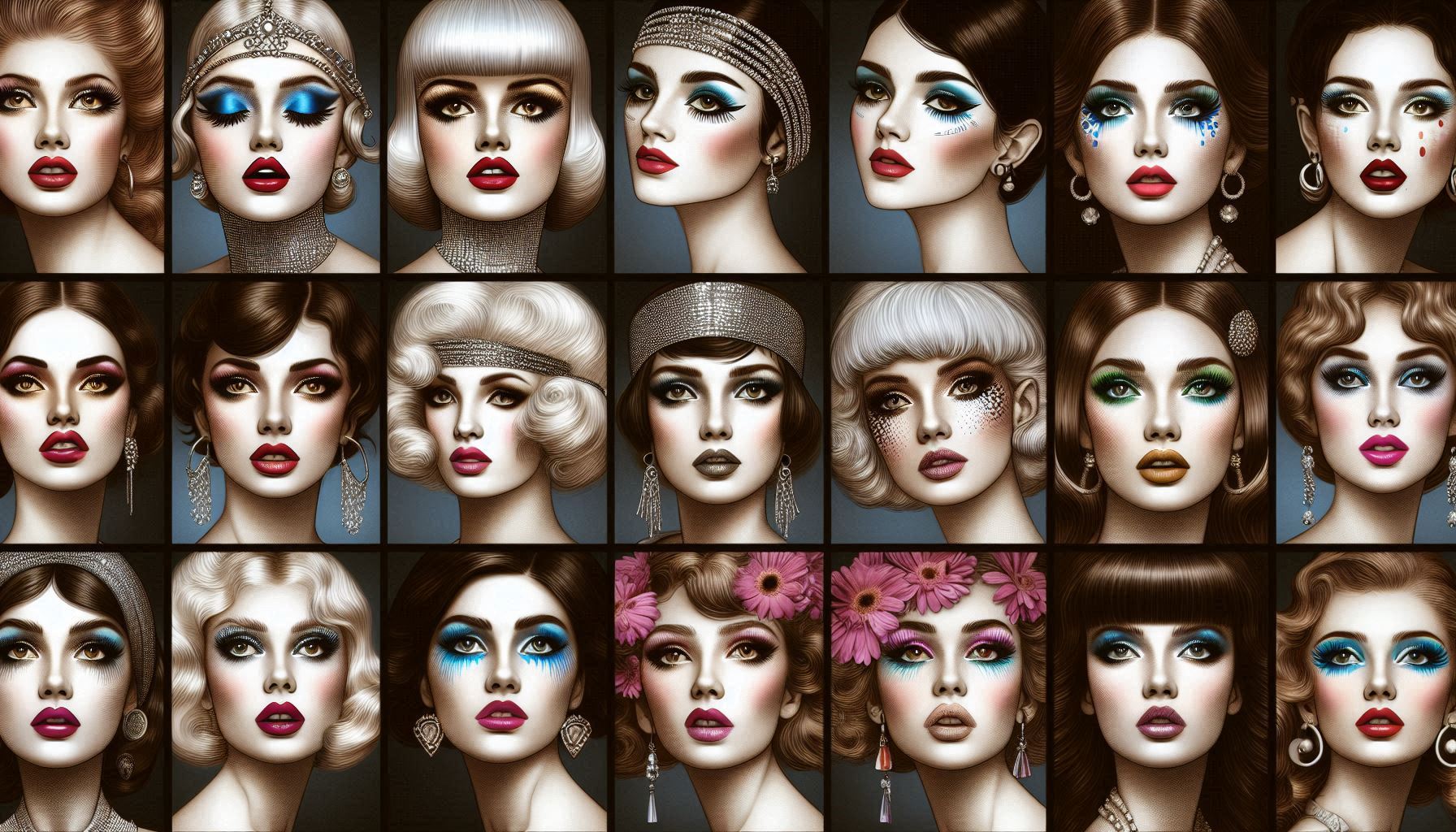
The psychology of beauty is a complex and multifaceted topic that delves into how perceptions of beauty influence self-image, self-esteem, and overall mental health. Beauty standards vary widely across cultures and time periods, yet they often have profound effects on individuals’ self-perception and emotional well-being. Here’s a comprehensive look at the psychology of beauty and its impact on self-image.
1. The Definition of Beauty
Beauty is often defined as a quality that gives pleasure to the senses or the mind. However, what is considered beautiful can vary significantly across cultures, ages, and personal preferences. Factors influencing beauty perceptions include:
- Cultural Standards: Different cultures have distinct ideals of beauty, often influenced by historical context, media representations, and societal values.
- Social Influences: Family, peers, and social circles shape individual perceptions of beauty, leading to internalized standards that may not align with broader societal views.
2. The Impact of Beauty Standards on Self-Image
- Self-Image: Self-image refers to how individuals perceive themselves and their worth. Beauty standards can significantly affect self-image, often leading to feelings of inadequacy or confidence, depending on how closely one aligns with these ideals.
- Positive Effects: When individuals feel they meet societal beauty standards, it can enhance self-esteem, leading to a more positive self-image and greater confidence in social interactions.
- Negative Effects: Conversely, when individuals feel they do not meet these standards, it can result in negative self-perception, low self-esteem, and body dissatisfaction. This can lead to various mental health issues, including anxiety, depression, and eating disorders.
3. The Role of Media and Social Media
- Media Representation: Traditional media has historically presented narrow and often unattainable beauty ideals, which can distort public perceptions of beauty. This includes the portrayal of flawless skin, slim bodies, and specific facial features.
- Social Media Influence: The rise of social media platforms has amplified the pressure to conform to beauty standards. Filters and photo editing tools allow users to present an idealized version of themselves, leading to comparison and self-doubt among followers. Studies have shown that excessive social media use correlates with negative body image and decreased self-esteem, particularly among young people.
4. The Psychological Effects of Beauty Ideals
- Cognitive Dissonance: When individuals perceive a gap between their appearance and societal beauty standards, it can lead to cognitive dissonance—a psychological discomfort stemming from conflicting beliefs and attitudes. This discomfort may motivate individuals to change their appearance or challenge societal norms.
- Social Comparison Theory: This theory suggests that individuals determine their own social and personal worth based on how they stack up against others. Regular exposure to idealized beauty standards can lead to unfavorable comparisons, resulting in feelings of inferiority and lowered self-esteem.
5. Beauty and Self-Esteem
- Correlation Between Beauty and Self-Esteem: Studies indicate a positive correlation between perceived attractiveness and self-esteem. People who consider themselves attractive are more likely to have higher self-esteem and report greater satisfaction with their lives.
- Intervention and Change: Programs promoting body positivity and self-acceptance can counteract the detrimental effects of beauty standards. These initiatives encourage individuals to focus on their unique attributes rather than conforming to narrow beauty ideals.
6. The Benefits of Diverse Beauty Standards
- Inclusive Beauty: Expanding the definition of beauty to include diverse body types, skin tones, and features can promote a healthier self-image among individuals who may not fit traditional standards. Representation matters; seeing diverse beauty in media and advertising can foster acceptance and appreciation for one’s own unique appearance.
- Cultural Appreciation: Embracing the beauty traditions of various cultures can enrich individual self-perception and encourage a broader understanding of beauty. This appreciation can help diminish the emphasis on conformity to specific ideals.
7. The Journey Toward Self-Acceptance
- Mindfulness and Self-Compassion: Practicing mindfulness and self-compassion can help individuals develop a more positive relationship with their bodies and self-image. These practices encourage individuals to accept themselves as they are and recognize their inherent worth beyond external appearance.
- Therapeutic Approaches: Cognitive-behavioral therapy (CBT) and other therapeutic approaches can help individuals challenge negative beliefs about their appearance and improve their self-esteem. Therapists can assist clients in recognizing the influence of societal beauty standards and developing healthier self-perceptions.
8. Conclusion
The psychology of beauty is a vital aspect of understanding how individuals perceive themselves and their worth in relation to societal beauty standards. While these standards can positively or negatively affect self-image and self-esteem, promoting diversity and self-acceptance is crucial for fostering a healthier relationship with beauty. By challenging narrow ideals and celebrating individuality, society can support positive self-image and overall mental well-being, enabling individuals to embrace their unique beauty.