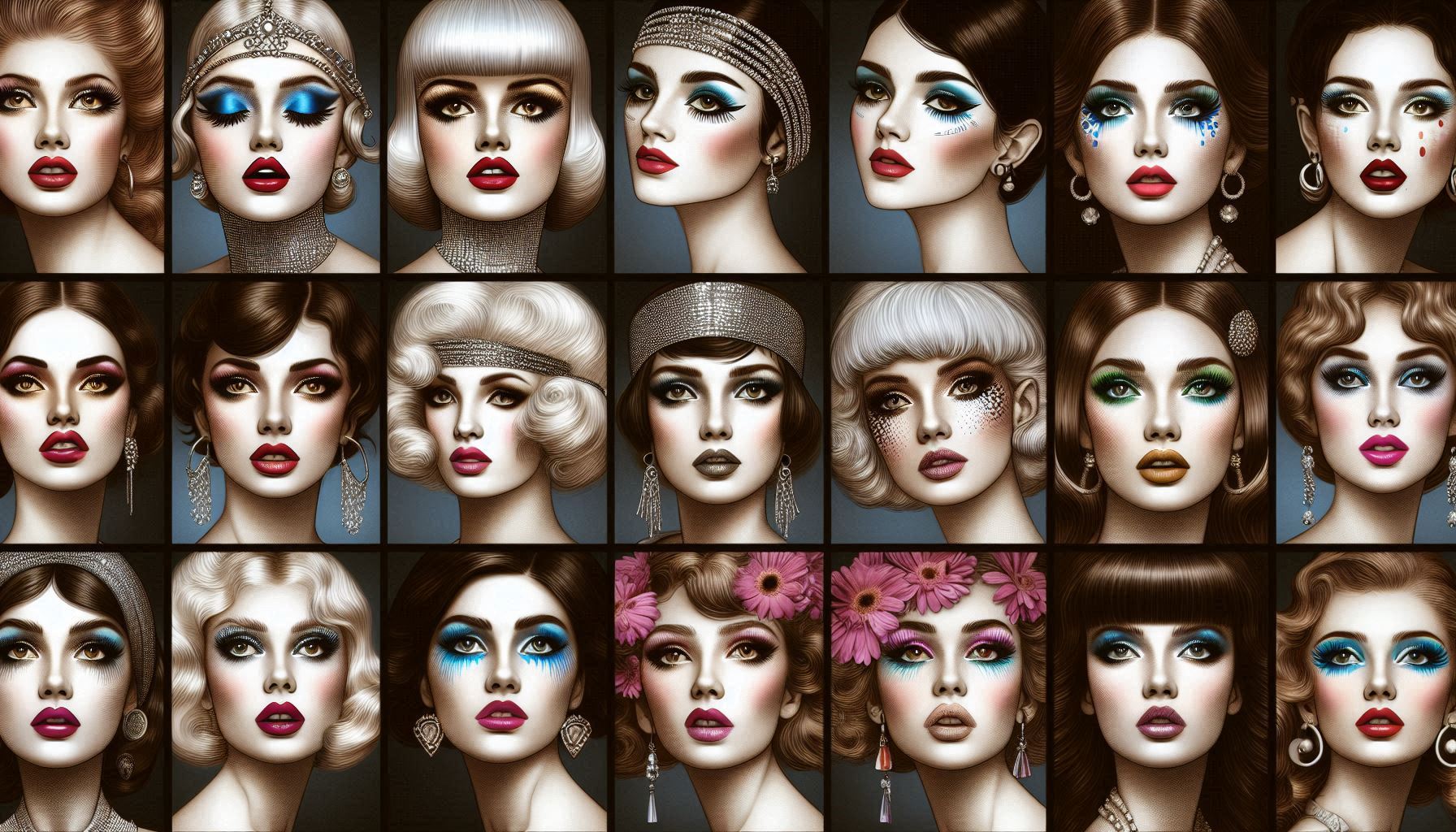
Beauty traditions around the world are deeply influenced by cultural values, rituals, and natural resources available in each region. These unique practices showcase the diverse ways people have approached beauty across different societies, reflecting local history, beliefs, and creativity. Here’s a look at some fascinating cultural beauty traditions from around the globe.
1. Japan: Geisha Skincare and Oshiroi
- Geisha Beauty Routine: Traditional Japanese Geishas have long been known for their flawless, porcelain skin. They use uguisu no fun (nightingale droppings) as a beauty treatment to cleanse and brighten the skin. This unusual but effective ingredient contains natural enzymes that exfoliate and moisturize.
- Oshiroi (White Powder): Geishas also use oshiroi, a white face powder made from finely milled rice, to achieve their iconic pale complexion. This powder not only enhances their look but also symbolizes purity.
- Camellia Oil: Japanese women also use camellia oil to nourish their skin and hair. This lightweight oil hydrates the skin and promotes shiny, healthy hair.
2. India: Ayurvedic Beauty Practices
- Turmeric: In India, turmeric is a central part of beauty rituals, especially for brides before their wedding. It is used in a paste form called Ubtan, made from turmeric, chickpea flour, milk, and rosewater to exfoliate, brighten, and soften the skin.
- Henna (Mehndi): Henna is used to adorn the hands and feet of brides with intricate designs during weddings and special occasions. This tradition not only adds to the bride’s beauty but is also believed to bring good luck.
- Coconut Oil: Massaging hair with coconut oil is another tradition that helps strengthen and nourish the hair, promoting growth and maintaining a natural shine.
3. Morocco: Argan Oil and Hammam Rituals
- Argan Oil: Often referred to as “liquid gold,” argan oil is a staple in Moroccan beauty. Extracted from the kernels of the argan tree, this oil is rich in antioxidants and vitamin E, making it ideal for moisturizing the skin and hair.
- Hammam Ritual: Moroccan women often visit hammams—public steam baths—for a deep cleansing ritual. The process involves exfoliating with a kessa glove and black soap made from olives, followed by rinsing with cold water, which leaves the skin incredibly smooth and rejuvenated.
4. Korea: 10-Step Skincare Routine
- Layered Skincare: Korean beauty (K-beauty) is well-known for its elaborate 10-step skincare routine. It includes multiple layers of hydration, starting with oil and water-based cleansers, followed by toners, essences, serums, and moisturizers.
- Sheet Masks: Sheet masks are a quintessential part of K-beauty, delivering intense hydration and targeted treatment for various skin concerns.
- Snail Mucin: Snail mucin is a popular ingredient in Korean skincare, used for its ability to hydrate, heal, and improve skin texture.
5. Egypt: Cleopatra’s Beauty Rituals
- Milk Baths: Cleopatra, the legendary Egyptian queen, was known for taking milk baths to maintain her soft, radiant skin. The lactic acid in milk acts as a natural exfoliant, helping to remove dead skin cells.
- Kohl Eyeliner: Kohl has been used in Egypt for centuries to line the eyes, not only for aesthetic purposes but also to protect against the harsh sun. It is made from a mixture of galena (a mineral) and other ingredients.
- Honey and Aloe: Cleopatra was also known to use honey and aloe vera in her skincare routine, both of which are natural moisturizers that provide hydration and soothe the skin.
6. China: Pearl Powder and Jade Rollers
- Pearl Powder: In China, pearl powder has been used for centuries as a beauty remedy. Rich in amino acids and minerals, it is believed to promote radiant skin, reduce pigmentation, and improve overall complexion.
- Jade Rollers: Jade rollers are used to massage the face, improve blood circulation, and reduce puffiness. Jade is believed to have cooling and calming properties, making it a popular tool in Chinese beauty practices.
7. Africa: Shea Butter and Red Ochre
- Shea Butter: Women in West Africa have long used shea butter as a natural moisturizer. Extracted from the nuts of the shea tree, it is rich in vitamins A and E, making it highly effective for nourishing and protecting the skin.
- Red Ochre (Himba Tribe): The Himba women of Namibia use otjize, a paste made from butterfat and red ochre, to protect their skin from the harsh desert climate. This paste also has cultural significance, symbolizing beauty and status within the tribe.
8. Brazil: Açai and Babassu Oil
- Açai: In Brazil, açai berries are not only a popular superfood but also used in beauty treatments for their high antioxidant content, which helps protect the skin from environmental damage.
- Babassu Oil: Babassu oil, extracted from the babassu palm, is used as a moisturizer that melts upon contact with the skin. It is lightweight and non-greasy, making it perfect for hydrating the skin in Brazil’s humid climate.
9. Scandinavia: Cold Water Therapy and Sauna
- Cold Water Therapy: Scandinavian beauty routines often include cold water therapy, where individuals take dips in icy lakes or cold showers to improve circulation and invigorate the skin.
- Saunas: Saunas are an integral part of Scandinavian culture. The heat from the sauna helps detoxify the body, while the subsequent cold plunge tightens the skin, promoting overall skin health and rejuvenation.
10. New Zealand: Manuka Honey
- Manuka Honey: Indigenous to New Zealand, Manuka honey is prized for its antibacterial and healing properties. It is used in facial treatments to soothe, hydrate, and heal the skin, making it an essential part of traditional beauty practices in the region.
11. Bali: Boreh Scrubs
- Boreh Scrub: In Bali, traditional boreh scrubs are made from a mixture of herbs and spices, such as cloves, ginger, and turmeric. These scrubs are used to exfoliate the skin, improve circulation, and relieve muscle tension, leaving the skin soft and rejuvenated.
12. France: Simple, Natural Beauty
- Micellar Water: French women are known for their minimalist beauty routines, often opting for micellar water to cleanse their skin gently. Micellar water contains tiny oil molecules that trap impurities without stripping the skin.
- Thermal Spring Water: Thermal spring water sprays are also popular in French skincare, used to soothe and hydrate sensitive skin.
Conclusion
Cultural beauty traditions reflect the diversity and creativity of different societies in their pursuit of beauty. From Japan’s Geisha skincare secrets to Morocco’s hammam rituals, each culture offers unique insights into how natural ingredients and traditional practices can contribute to healthy, radiant skin. Embracing and learning from these traditions not only enriches our beauty routines but also allows us to appreciate the deep cultural significance behind them.