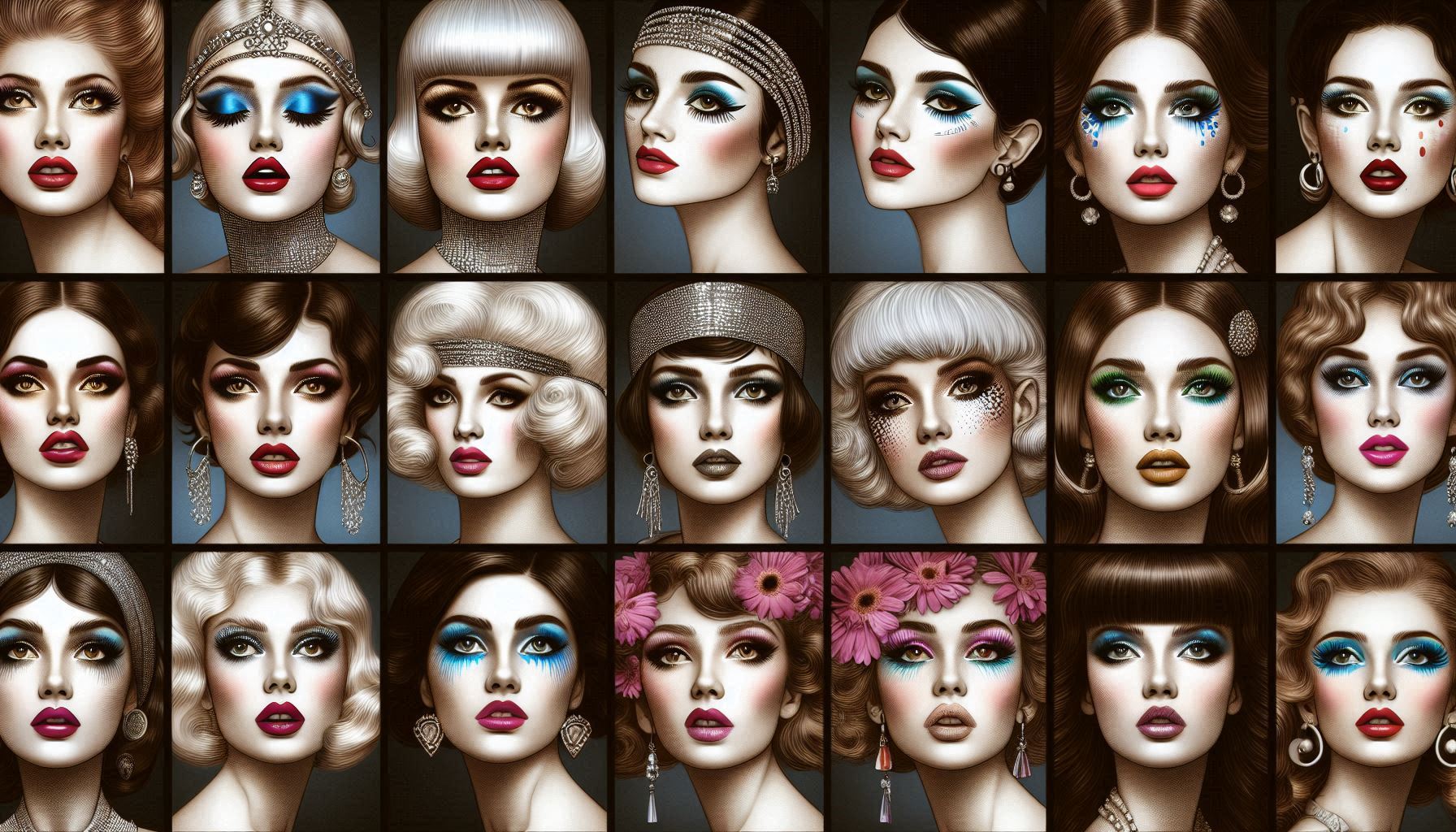
The influence of social media on beauty standards is a significant and evolving topic that touches on how platforms shape our perception of beauty, self-image, and societal norms. Here’s a comprehensive overview:
1. Evolution of Beauty Standards Through Social Media
- Global Exposure: Social media platforms like Instagram, TikTok, and YouTube have created a global village where beauty standards from different cultures are shared, celebrated, and sometimes appropriated. This increased exposure can expand our understanding of beauty but can also create unrealistic expectations.
- Shift from Traditional Media: Previously, beauty standards were primarily shaped by magazines, movies, and television. Today, influencers and social media personalities have replaced celebrities as key figures defining what’s “beautiful,” resulting in constantly shifting trends.
2. Positive Impacts
- Diverse Representation: Social media has given rise to more diverse and inclusive beauty ideals. Body positivity, natural beauty, and embracing unique features have become more prevalent movements thanks to influencers who challenge traditional norms.
- Empowerment and Community: Social platforms offer communities where people support each other, share personal journeys, and feel empowered to embrace their authentic selves. Campaigns like #BodyPositivity, #NoMakeup, and #LoveYourSkin have helped people feel more confident in their own skin.
- Beauty Education: Social media allows users to share tutorials, DIYs, and skincare routines, helping individuals understand how to enhance their natural features rather than conform to a singular beauty ideal. It has democratized access to beauty knowledge.
3. Negative Impacts
- Unrealistic Beauty Standards: Filters, editing tools, and retouching apps make it easy to alter photos, setting unrealistic standards of perfection that are unattainable in real life. Influencers often present a flawless version of themselves, promoting an idealized image of beauty.
- Pressure to Conform: Constant exposure to curated images can create immense pressure for people to conform to specific beauty trends. For example, trends like the “Instagram face” — characterized by plump lips, sharp jawlines, and flawless skin — can lead to a homogenous beauty ideal.
- Impact on Mental Health: Studies have linked the use of social media with increased body dissatisfaction and low self-esteem, particularly among young people. Comparing oneself to influencers and celebrities can contribute to anxiety, depression, and body dysmorphia.
- Rise in Cosmetic Procedures: The desire to look like one’s edited or filtered social media images has led to the phenomenon known as “Snapchat dysmorphia,” where individuals seek cosmetic procedures to resemble their filtered images. There has been an increase in procedures such as fillers, Botox, and rhinoplasty as a direct result of social media pressure.
4. The Role of Influencers and Algorithms
- Influencer Culture: Influencers have a powerful impact on beauty trends, with millions of followers emulating their looks. They often endorse beauty products, cosmetic procedures, or certain “lifestyle” standards that can lead to unrealistic aspirations for many viewers.
- Algorithmic Influence: Algorithms on platforms like Instagram and TikTok prioritize content that gets high engagement, which often includes posts showcasing conventionally attractive people. This creates a feedback loop where content that adheres to popular beauty standards gets amplified, while diverse or unconventional beauty is less visible.
5. Counter Movements and Change
- Body Positivity and Neutrality: Movements promoting body positivity encourage people to embrace their physical appearance, regardless of size, skin tone, or imperfections. Body neutrality also emphasizes the value of bodies beyond aesthetics, reducing pressure to always “love” one’s appearance.
- Skin Positivity and Acne Acceptance: Campaigns like #AcnePositivity challenge the portrayal of flawless skin as the only standard of beauty, showing real skin textures, scars, and conditions.
- Brands Promoting Diversity: Social media has pressured beauty brands to be more inclusive, showcasing diverse models across different body types, skin colors, and identities. Influencers like Nyma Tang and Tess Holliday have used their platforms to advocate for representation and inclusivity in the beauty industry.
6. Conclusion
Social media has a profound impact on beauty standards — both positive and negative. It has democratized beauty, allowing more voices and diverse standards to be heard, while also amplifying unrealistic ideals that can affect mental health. The key to mitigating the negative impacts is to promote awareness, diversify content, and support movements that embrace real, diverse beauty.
Ultimately, fostering media literacy and encouraging a critical approach to social media content are essential to reducing the harmful influence of unrealistic beauty standards, allowing individuals to develop healthier, more positive self-images.